
Asian hornet spotted? Report it!
The Asian hornet is an invasive species of wasp that poses a threat to honeybees and other beneficial insects. To protect biodiversity, it is important to report sightings.
Right now, queen wasps are emerging to build their spring nests. It’s especially important to report them now, so that nests can be located and removed early on.
How to identify the Asian hornet
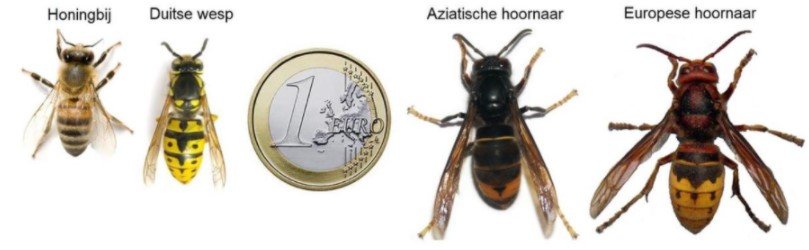
The Asian hornet is 2 to 3 centimeters long and has:
- a black breastplate
- black antennas
- yellow tips on the legs
The image below shows the differences between the Asian hornet and other species.
Is the Asian horned beetle dangerous?
To humans, the Asian hornet is no more dangerous than a common wasp. Like other wasps, it can sting if it feels threatened. Hornets near a nest may react more aggressively. A sting is particularly dangerous for people with a wasp allergy. If you experience an allergic reaction, contact a doctor immediately.
Two types of nests
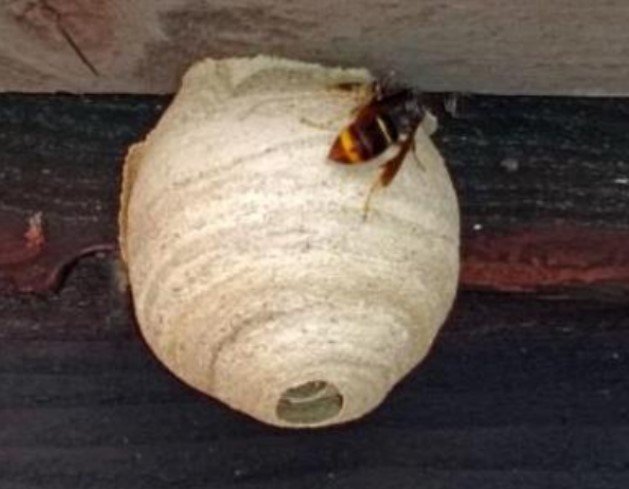
Spring Nest
From March to June, the hornet builds a small nest, about the size of a ping-pong ball. These nests are often found in sheltered spots, such as inside a cavity wall, a shed, a birdhouse, or a carport.
Summer Nest
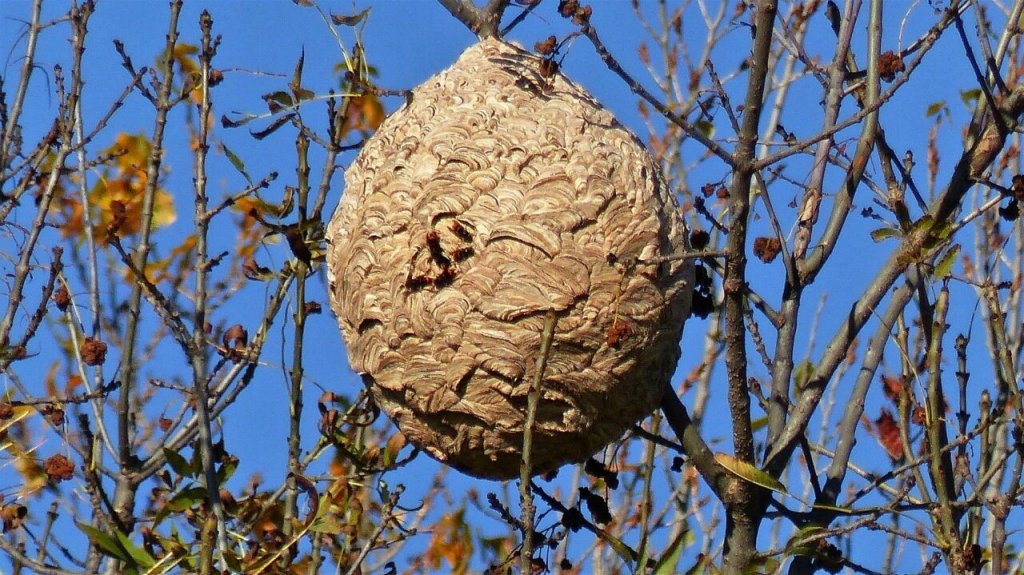
In the summer, hornets build larger nests, often high up in trees. These nests can grow as large as a basketball. Therefore, always check for a nest before pruning a tree or hedge.
Have you seen an Asian hornet?
- Take a clear photo
- Remember the location
- Check whether it is actually an Asian hornet
Are you sure? If so, please report your sighting atwww.waarneming.nl.
Have you seen the nest?
If you see a nest in a public area, please report it to the city. We will then determine whether the nest needs to be removed.
If you see a nest on your own property or private land, please report it atwww.waarneming.nl.
Important: Never remove a nest yourself. Always call in a professional pest control expert.